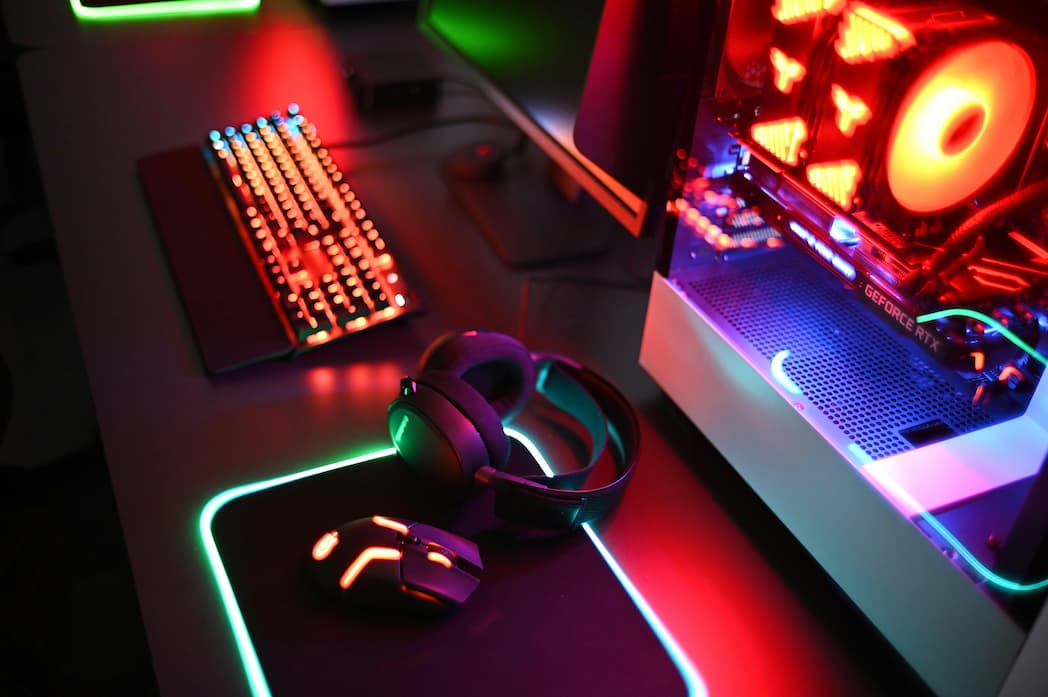
Esports games have transformed video gaming into a worldwide competitive spectacle. What once began as friendly matches between small groups of players has grown into a professional ecosystem watched by millions. Competitive gaming now fills arenas, attracts massive online audiences, and generates prize pools that rival those of traditional sports. At the center of this transformation are the games themselves. Certain titles have been designed or adapted in ways that make them ideal for competitive play, allowing skill, strategy, and teamwork to shine on a global stage.
Players who enter the world of esports games quickly notice how different the experience feels compared with casual gaming. Matches are intense, highly strategic, and often decided by tiny moments of precision or creativity. Professional players spend countless hours refining mechanics, practicing teamwork, and studying their opponents. For spectators, the appeal lies in the drama and unpredictability that unfolds during every match. Even a small mistake can change the outcome, which keeps fans glued to the screen.
The rise of esports has also reshaped the gaming industry itself. Developers now think carefully about how competitive elements fit into their designs. Balanced gameplay, spectator-friendly visuals, and frequent updates help maintain a vibrant competitive scene. As a result, esports games continue to evolve while maintaining the core mechanics that made them popular in the first place.
The Most Influential Esports Game Genres
Different genres dominate the esports landscape, each offering its own style of competition and strategy. Some games emphasize lightning-fast reactions and aim, while others focus on teamwork and long-term tactical planning. The diversity of genres ensures that competitive gaming appeals to a wide range of players and audiences.
First-person shooters represent one of the most recognizable esports genres. These games place players in fast-paced environments where precision and coordination determine victory. Titles like Counter-Strike have defined competitive shooters for decades, creating iconic rivalries and unforgettable tournament moments.
Another major category is the multiplayer online battle arena genre. Games in this style revolve around two teams competing to control objectives on a symmetrical map. Strategy, hero selection, and teamwork play crucial roles, making every match feel like a complex chess game unfolding in real time.
First-Person Shooters in Competitive Gaming
First-person shooters demand mechanical skill and split-second decision-making. Players must maintain perfect aim while reacting to constantly changing situations. Communication between teammates is just as important as individual performance, since coordinated attacks and defensive strategies often determine the outcome of a round.
Spectators enjoy these games because they deliver immediate excitement. A perfectly timed play or an unexpected clutch moment can instantly shift the momentum of a match, creating unforgettable highlights that circulate across the gaming community.
Multiplayer Online Battle Arenas
Multiplayer online battle arena games bring a different pace to competitive gaming. Matches typically last longer and involve careful planning from the opening moments. Teams choose characters with unique abilities, creating strategic combinations that influence the entire game.
Victory often depends on teamwork and adaptation. Teams that read the flow of the game correctly can turn small advantages into decisive victories, while poor coordination can quickly lead to defeat.
The Role of Professional Teams and Players
Behind every esports game stands a network of professional teams and dedicated players who elevate the competition to extraordinary levels. These athletes train with discipline similar to that seen in traditional sports. Practice schedules can last many hours each day, and teams constantly review gameplay to improve strategies and coordination.
Training and Team Coordination
Professional esports teams invest significant effort into building chemistry between players. Communication must be precise and efficient, especially in high-pressure situations. A single miscommunication can lead to a lost objective or an unexpected defeat.
Training sessions often focus on analyzing past matches. Teams review mistakes, test new tactics, and prepare for upcoming opponents. This process creates a constant cycle of improvement that keeps the competitive scene evolving.
Individual Skill and Star Players
While teamwork remains essential, individual talent can still shine brightly in esports games. Certain players develop reputations for extraordinary reflexes or creative strategies. Fans follow these stars closely, celebrating their achievements and discussing their performances across online communities.
These players often become the faces of their respective games. Their influence extends beyond tournaments, inspiring new players to enter the competitive scene and pushing the skill ceiling even higher.
The Growing Esports Audience
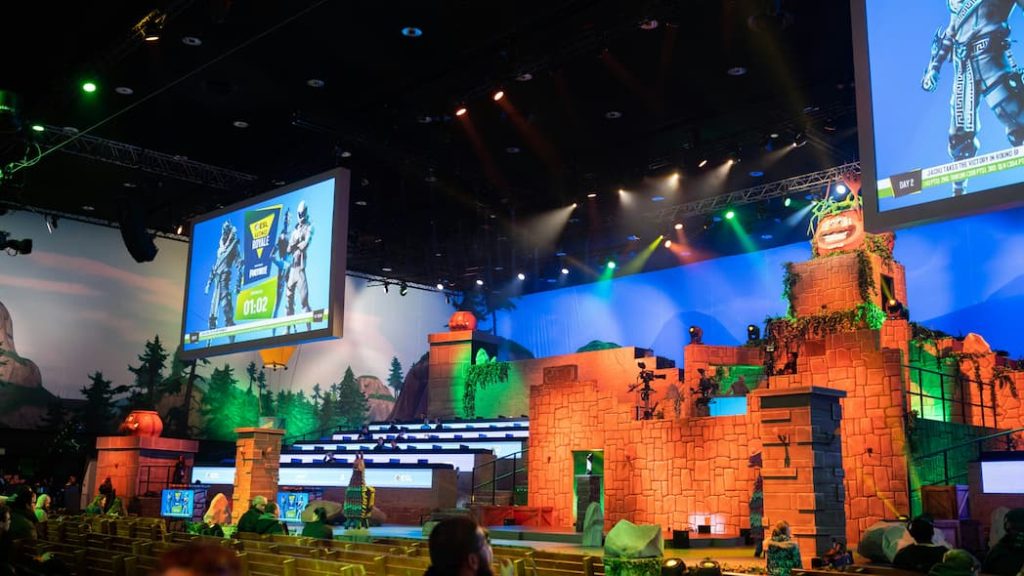
Esports games have built a massive global audience that continues to expand each year. Online streaming platforms make tournaments accessible to viewers around the world, allowing fans to watch live matches, follow their favorite teams, and interact with communities in real time.
Streaming Platforms and Online Communities
Streaming services have become central to the esports ecosystem. Fans gather online to watch matches, discuss strategies, and celebrate dramatic moments together. Chat interactions and live commentary create a shared experience that mirrors the atmosphere of traditional sports broadcasts.
Community engagement also plays a major role in keeping esports vibrant. Discussions about tactics, player transfers, and tournament predictions fill forums and social media platforms, creating a constant conversation around competitive gaming.
Esports and Entertainment Culture
Esports games have gradually merged with broader entertainment culture. Major tournaments are produced with high-quality broadcasts, professional commentary, and elaborate stage presentations. Music performances, cinematic introductions, and crowd reactions turn these events into full-scale entertainment spectacles.
This integration with entertainment has attracted attention from industries outside gaming. Sponsorships, partnerships, and media coverage continue to grow, further strengthening the visibility of esports competitions.
The Future of Esports Games
The future of esports games appears both dynamic and unpredictable. Developers constantly release updates that reshape the competitive landscape, introducing new characters, maps, and gameplay mechanics. These changes challenge players to adapt and keep the scene fresh for audiences.
Technological advancements are also influencing how esports evolve. Improved streaming technology allows fans to experience matches with higher quality and more interactive features. Virtual reality and advanced analytics may eventually create entirely new ways to watch and understand competitive gaming.
The connection between esports and other industries is likely to deepen as well. Betting platforms, for example, increasingly recognize the popularity of competitive gaming. Services such as National Casino illustrate how esports competitions are becoming part of a broader digital entertainment environment.
Innovation in Competitive Game Design
Game developers now design titles with competitive potential in mind from the earliest stages. Balanced mechanics, spectator-friendly interfaces, and frequent updates ensure that esports games remain engaging for both players and viewers.
Expanding Global Communities
Esports communities continue to expand across regions and cultures. New teams, tournaments, and fan bases appear every year, turning competitive gaming into a truly international phenomenon. As the community grows, esports games will likely keep evolving, shaping the future of digital competition.
